

Mode breakdown
The question behind the comparison
Bart Slodyczka’s video is built around a practical question that many creators and small teams run into as soon as a new tool adds an API: should you stick with a monthly subscription, or move to pay-as-you-go pricing? In this case, the answer is not automatic. His point is that the Higgsfield API is not simply a cheaper version of the subscription. Depending on what you generate most often, either option can make more sense.
That is the useful frame for the whole video. Bart is not treating the API as a novelty add-on. He is comparing it to the subscription as a real production choice, then showing how the API can be connected to ChatGPT so the workflow feels continuous instead of fragmented. For creators who care about output volume and convenience, that combination matters more than a headline price.
Where the money goes: video and image work do not behave the same
The clearest takeaway from Bart’s comparison is that video generation and image generation do not have the same economics. He tests a 10-second video and compares the subscription credit cost with the API dollar cost. For some models, the API comes out cheaper on a single-generation basis; for others, the subscription package stretches further when you are using it heavily.
His examples show the pattern clearly. With some video models, a lower-cost API option is available and can beat the value of a subscription if you only need a few clips a month. But once the volume increases, the monthly plans start to make more sense because the included credits can cover more generations than the same amount of money spent directly through the API.
The strongest illustration is not just that one side is cheaper. It is that the cheapest option depends on how often you actually generate. Bart points out that if you are only making a handful of videos per month, the API can keep your spend under the cost of even a basic plan. But if you are pushing out many clips each month, the bigger plans recover their price through volume.
Images push the decision in the other direction. Bart’s comparison suggests the API is often the stronger fit for image generation because the same spend can produce significantly more images than the bundled subscription credits. If your work involves generating visual references, ad concepts, or variations before you move into video, that difference is hard to ignore.
The hidden variables: access, commitment, and included models
Bart does a good job of showing that pricing alone does not decide the best setup. Access rules matter too. One of his most practical points is that the starter subscription tier does not include access to some of the higher-end video models he tests, while the higher monthly tiers do. That means a low monthly cost can still be the wrong choice if it blocks the model you actually want to use.
He also highlights a tradeoff that many subscription comparisons skip: unused credits do not carry over. That means a plan only makes sense if you are actually going to use it consistently. If you pay for a large credit bundle and only produce a couple of clips, the effective cost per video climbs fast. In Bart’s framing, the plan is only efficient when the output matches the package.
The API avoids that trap because you top up what you need rather than buying a fixed monthly block. For lighter users, that reduces waste. For heavier users, the subscription can still be better because the bundled credits and included model access may stretch further than direct API spend.
He also notes another practical issue: the set of image models available through the API may not match what is available in the subscription interface. That means the API is not simply a pricing swap; it can also change your model menu. If your workflow depends on a specific image model being available immediately, the subscription may still be the simpler route.
How Bart sets up the API inside ChatGPT
The second half of the video is where Bart adds real usefulness. He does not stop at pricing. He shows the setup process for getting a Higgsfield API account running and then connecting it inside ChatGPT.
The workflow is straightforward in concept. You need an existing Higgsfield account, then you add billing for API use, create an API key, and place that key into a local environment file in the project you are working in. Bart uses a project-based setup so the conversation, files, and task context stay together instead of becoming scattered across unrelated chats.
That project choice is one of the more practical bits of the walkthrough. He treats ChatGPT less like a one-off prompt box and more like a work surface where the API can be used repeatedly without restarting the setup every time. Once the key is installed, he tests the connection by asking for a specific short video generation request. In other words, the video is not just about access. It is about keeping the production flow intact once access is in place.
Bart also mentions promotional setup benefits that appear to be tied to the new API launch, including model discounts and a business-email signup incentive. Those details are part of his observed setup, but the broader editorial point is simpler: the onboarding process is designed to lower the barrier to trying the API, especially if you want to test it before committing to a bigger monthly plan.
A practical rule for choosing between the two
Bart’s conclusion is sensible because it avoids a one-size-fits-all answer. The subscription is the better fit when your workflow is video-heavy and high-volume. If you know you will use a lot of generations every month, the bundled credits can beat direct API costs.
The API is the better fit when your usage is lighter, when you mainly need images, or when you want to avoid paying for unused credits. It also makes sense if you want to build the tool into a larger workflow, especially one that runs through ChatGPT and a project-based setup.
A simple way to read the video is this: use the subscription when you can keep it busy; use the API when you want flexibility or lower-volume spending. For some creators, the best answer may actually be a split setup—subscription for video, API for image work.
Bart’s comparison is valuable because it does not sell the API as a universal upgrade. It shows where the numbers help, where the feature limits matter, and where the workflow is cleaner if you keep using monthly credits.
Recommended next
Products & tools
One Mode Digital Media product and one relevant affiliate recommendation selected for this page.
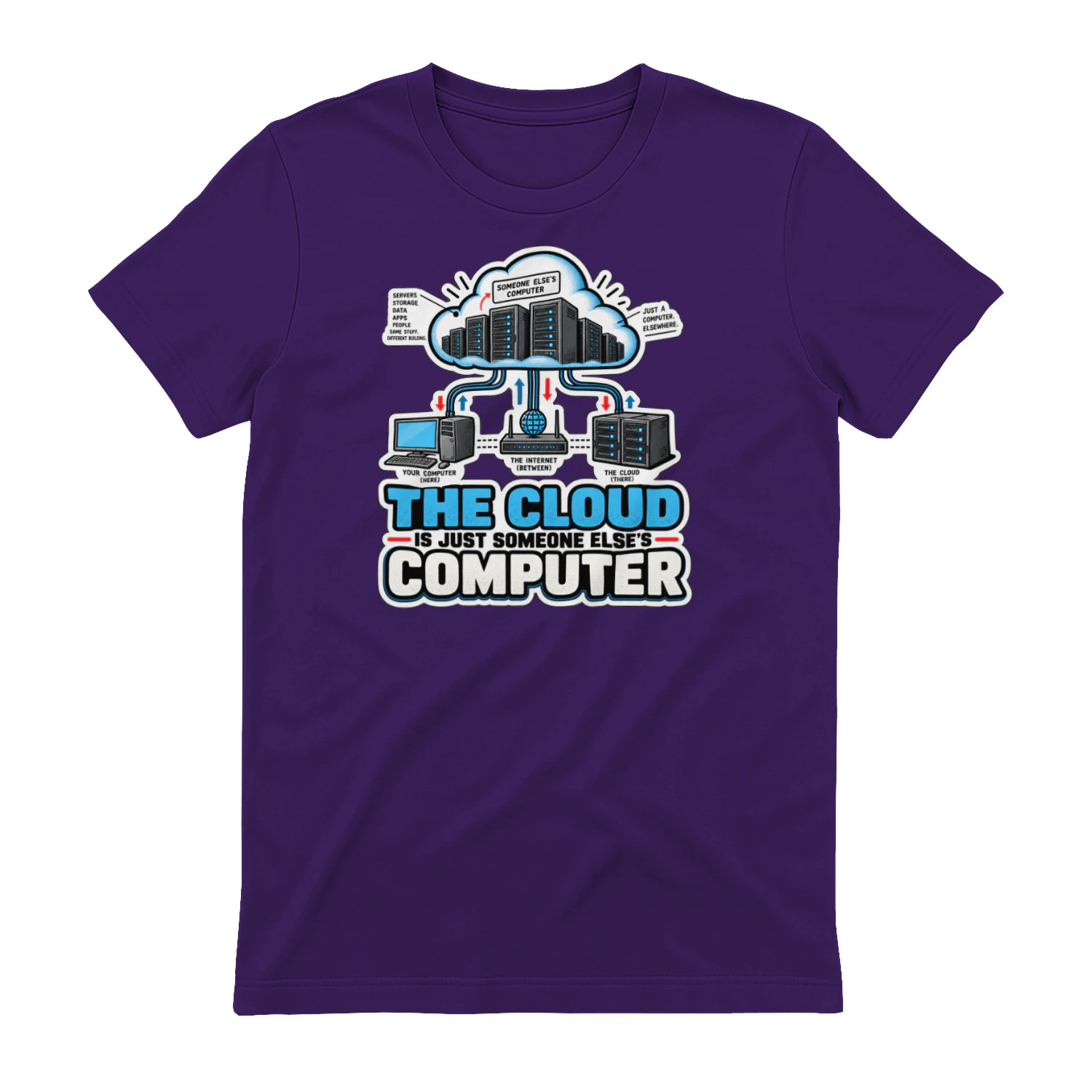
The Cloud Is Just Someone Else's Computer
A funny technical-design reminder that “The Cloud Is Just Someone Else’s Computer.” Server racks, data lines, and cloud imagery make it a great pick for IT pros, developers, tech workers, cloud engineers, and anyone who enjoys explaining what the cloud actually is.
Artlist
Music, footage and creative assets for video-first creators.