
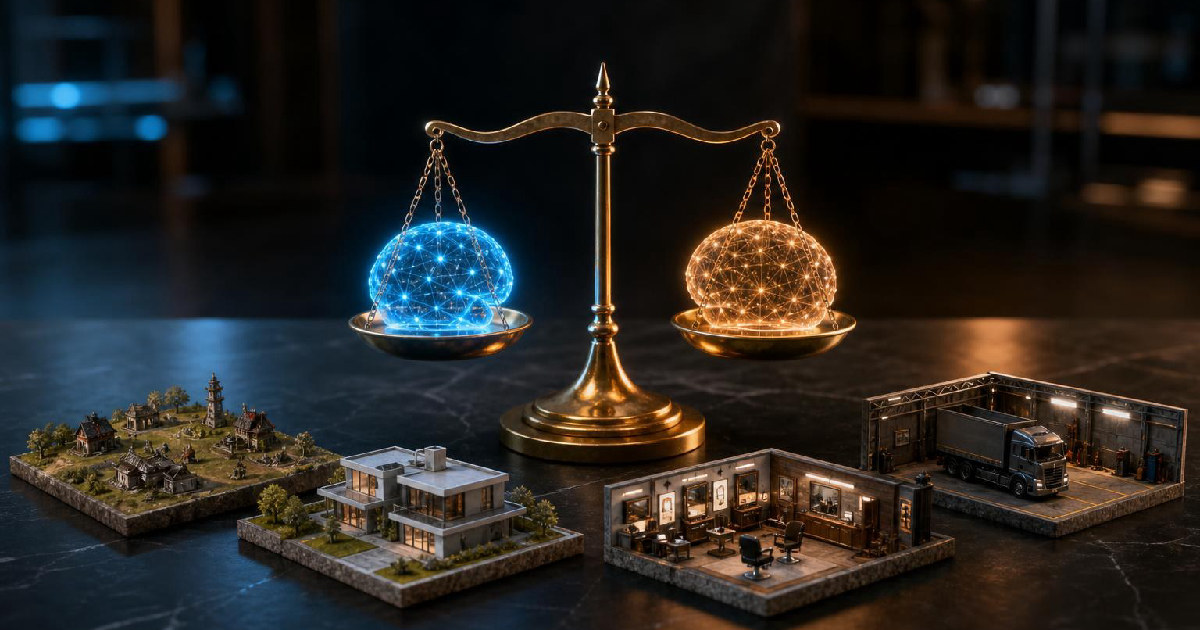
Mode breakdown
Why this comparison is worth watching
Bart Slodyczka does not treat this as a lab exercise. He uses the same prompt across DeepSeek V4.1 Flash and GPT-6 Astra, then pushes both models through four builds that ask different things of them: a game replica, a motion-heavy website, a booking app with a small backend, and a truck animation workflow inside Blender. That setup makes the video useful because it separates raw capability from the kind of work each model is best at.
The direct answer is simple: Astra generally looks stronger on first pass, especially when the output depends on design quality, visual clarity, and cleaner UI decisions. DeepSeek often comes in cheaper and, in some cases, more practical once the project has been refined. But the interesting part is not just the winner’s circle. It is how often the two models diverge depending on whether the task needs detail, speed, revision handling, or just something that works.
The Age of Empires replica shows the split between logic and presentation
The first test is a good place to start because it makes the tradeoff obvious. Both models are asked to create a version of an Age of Empires-style game, and both produce something playable enough to keep going. Bart’s feedback focuses on the same kinds of problems in each version: whether farms can actually be tended, whether the game supports progression, whether combat and defeat logic work, and whether extra units or formations can be added.
DeepSeek’s first version has the basic structure, but Bart keeps running into usability problems. The controls feel sensitive, the zoom is awkward, the farm interaction is incomplete, and several features he wanted are missing at first. When he sends revisions, DeepSeek does respond: the farm works, evolution is added, more units appear, and the game-over logic functions. He also gets formations like line, box, flank, and staggered, which makes the build feel more complete.
Astra’s version is more visually convincing right away. Bart points out that the graphics look better on the first build, the UI feels thought through, and the battle presentation has more polish. Even when the logic still needs prompting, the first version feels closer to something you would actually want to show someone. That is the pattern that keeps repeating throughout the video: DeepSeek can be made to work, but Astra often starts from a better place.
The website test makes iteration speed matter as much as cost
The second build is a 3D animated website with a scroll-scrub effect, product placement, and hover interactions. This test is more revealing than the game because it combines visual design, frontend behavior, and the need to handle generated media well.
DeepSeek’s site improves over multiple rounds, but Bart keeps finding the same kinds of problems: the animation jumps instead of flowing, the frame handling is uneven, some product placements feel off, and mobile is not considered early enough. By the later version, the layout is much better and the animation is smoother, but it still feels like a site that needs another pass before it would be comfortable in production.
Astra’s version also needs revisions, especially around the animation and mobile presentation, but the first version is more coherent. The watch images look stronger, the menu feels cleaner, and the hover interaction is more consistent. Bart also likes the idea of secondary images on hover, because it gives the product gallery a more deliberate feel.
The cost and time split is where the decision gets interesting. DeepSeek is far cheaper on API spend, while Astra is faster. Bart’s own read is nuanced: if he were building for himself, he could see using DeepSeek because the price is low. If he were running a production agency, he would happily build the API spend into the sale and use Astra to move faster. That is a better framing than asking which model is “best.” For a solo builder, price matters more. For an agency, time can matter more.
The booking app narrows the gap and makes DeepSeek look stronger
The barber shop booking app is the most practical test in the video because it does not rely on flashy visuals. It needs a customer flow, a back office, appointment management, and a way to prevent double booking. Both models handle the core job surprisingly well.
DeepSeek’s app lets Bart book an appointment, receive a private link, access a customer view, and then check the staff area. The backend supports viewing, cancelling, and blocking out unavailable periods. When he tries to book a slot that has already been taken, the app blocks it. The mobile version improves after a revision, and the interface stays simple enough that it does not fall apart on a smaller screen.
Astra’s version looks nicer overall. The UI is more engaging, the icons and layout give it a more polished front end, and the booking flow works just as expected. But this is the section where price becomes decisive. Bart says the designs are similar enough that the much lower cost of DeepSeek becomes hard to ignore. Since both apps work and both can be made mobile-friendly with revisions, DeepSeek wins this round for him on value.
That is probably the most useful takeaway in the whole video: when the app is simple and functional, you may not need the prettier first pass if the cheaper model gets you to the same usable result.
The Blender truck scene is where detail finally separates the two
The final test moves into Blender and asks both models to create a truck going over rough terrain, with camera movement that shows the vehicle from the side, underneath, and around the rear. Bart then pushes both models further by asking for more detailed undercarriage work and, in Astra’s case, even an engine-bay start.
DeepSeek produces a convincing truck scene first, and then improves it with a second round. The vehicle, suspension, and terrain interaction all read clearly enough to make the clip useful. Bart likes the final DeepSeek result because it feels like something he could actually reuse as B-roll. The environment feels grounded, the Australian Outback-style scene makes sense for the vehicle, and the final image looks commercially usable even if it is not hyper-accurate.
Astra’s result is the more detailed one. The tires, undercarriage, suspension, and engine-bay elements show more structure, and the camera movement through the scene feels more elaborate. If the goal were engineering-level fidelity, Astra would be the stronger choice. But Bart is careful here: for a visual asset, not a technical model, DeepSeek’s final scene may be more immediately useful because it feels better as a finished shot.
That distinction is the real lesson. More detail is not always the same as more usable output.
What Bart’s four-build test really says about these models
Across the full project, the comparison settles into a pattern rather than a clean sweep. Astra usually wins on first impression, UI polish, and visual detail. DeepSeek usually wins on cost, and sometimes on the kind of output that feels easiest to use after a few iterations.
For Bart, the clearest split looks like this:
- Use Astra when the project needs stronger presentation quality, better visual detail, or a better first build.
- Use DeepSeek when the budget matters more, the app is simple, or the final output can improve through a few extra prompts.
- Expect both models to benefit from revision, especially when the task depends on generated media or a hybrid workflow.
The other big theme is patience. The website and Blender builds make clear that media generation can dominate runtime, regardless of model choice. So the real comparison is not just model A versus model B. It is how much time and money you are willing to spend moving from “works” to “good enough to ship.”
Recommended next
Products & tools
One Mode Digital Media product and one relevant affiliate recommendation selected for this page.
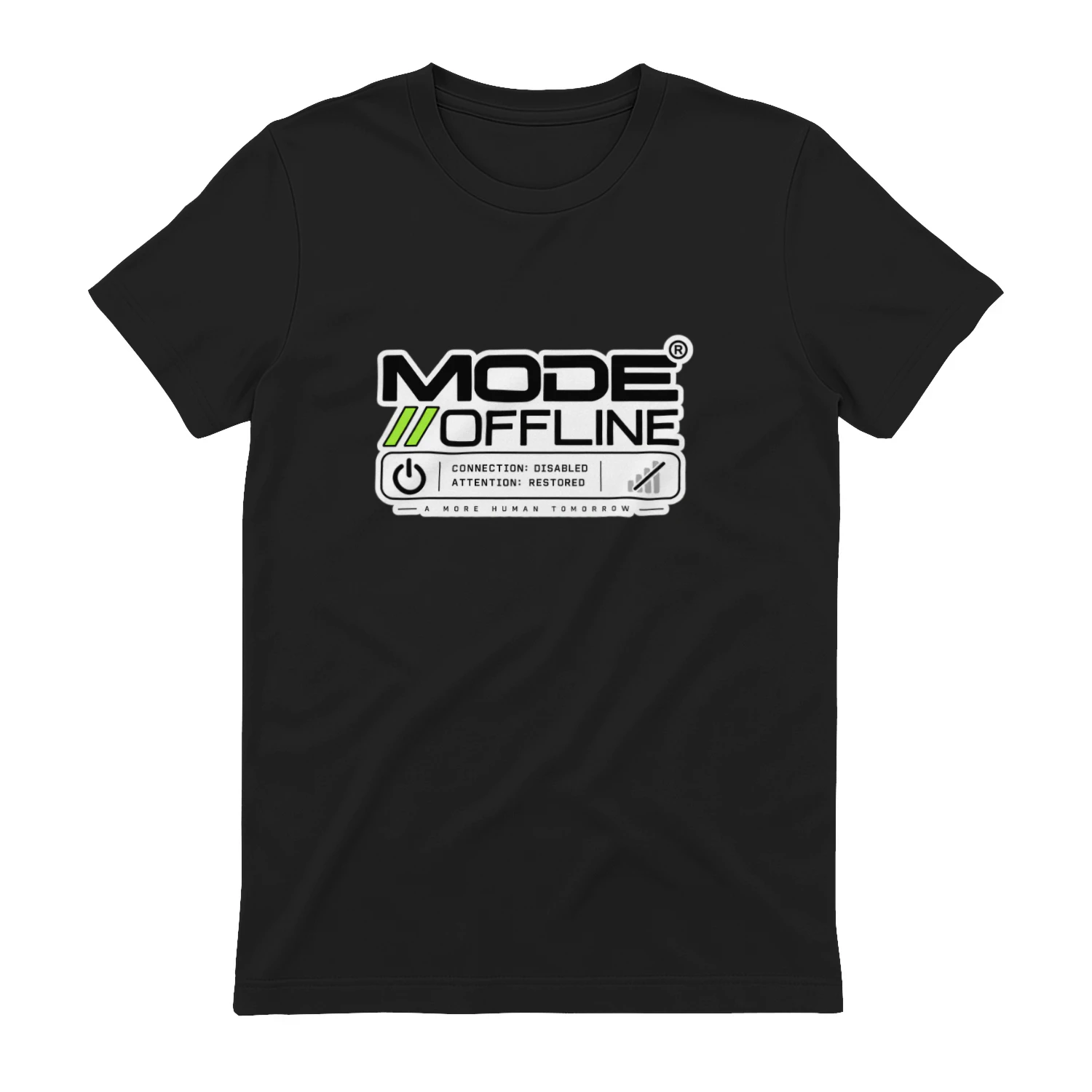
Mode // Offline
A premium Mode Digital Media statement for the moment the connection goes down and your attention comes back. “Mode // Offline” pairs clean technical styling with “Connection: Disabled. Attention: Restored.” for anyone who values a deliberate break from the feed.
Artlist
Music, footage and creative assets for video-first creators.