

Mode breakdown
How the 2025 Firefly demo approached asset-based animation
In Premiere Gal’s April 2025 demo, Adobe Firefly’s Generate Video had moved out of beta, and the release felt closer to a production feature than a curiosity. The creator shows a workflow built around an existing design asset rather than a blank prompt. That matters because the update is not only about making video generation available; it is about making it easier to start with something you already made.
The direct answer from the video is simple. The release shown in the demo supported 1080p, offered multiple aspect ratios, and let users generate from a start frame. The demo also points out that creators can choose from Adobe’s model or non-Adobe models such as Google Veo, while Adobe’s own Firefly video model is the one associated with the commercially safe promise.
Starting from a design instead of a blank idea
The most useful part of Premiere Gal’s example is the starting point. She does not begin with a vague concept and ask the model to invent everything. Instead, she uploads a JPEG of a coffee bean bag mockup that was designed in Photoshop. That choice turns the workflow into something familiar for designers and marketers: make the asset first, then ask the video tool to animate it.
That sequencing is the real draw for creator workflows. If you already have product packaging, a mockup, or a still graphic, Firefly can function as a motion layer rather than a replacement for your original design process. In the demo, the creator selects text to video, uploads the frame, and then moves through the setup before typing the prompt. The setup is brief, but it signals a larger shift: the tool is now being framed as part of a pipeline, not just a novelty generator.
For anyone making ads, social clips, or branded motion tests, that is a better fit than starting from scratch every time. It lets the still image do some of the heavy lifting, which can keep the output closer to the original art direction.
The settings that shape the result
Premiere Gal walks through a few options that show how much control that Firefly release gave users before generation starts. Under general settings, she selects 1080p resolution. Under aspect ratio, she notes that square is available and then chooses vertical for this example. That matters because platform placement often starts with format, not just concept.
The camera settings are also part of the process. The creator notes that you can add motion there, then types a prompt and hits the blue generate button. The video does not spend time pretending there is no learning curve. Instead, it shows that the interface gives you a few meaningful decisions before you ever see the output.
That structure is useful for two kinds of users. First, it helps people who want a faster way to animate design assets without building a full motion project. Second, it gives enough setup to keep the output from feeling random. The tool is still generative, but it is not positioned as a pure black box.
The tradeoff is also clear: the more a workflow depends on prompt quality and camera controls, the more you need to think in terms of motion direction rather than just subject matter. A still image of a coffee bag is one thing; deciding how it should move, and for what end use, is where the work shifts back to the creator.
Why model choice and commercial safety matter
The video makes one point especially carefully: not every model in Firefly carries the same promise. Premiere Gal points to non-Adobe models such as Google Veo, while distinguishing Adobe’s own Firefly Video model. Adobe continues to position Firefly-model outputs as commercially safe, while telling creators to evaluate whether partner-model outputs are appropriate for their projects.
That distinction is the part creators and teams are most likely to care about. If a workflow is being used for client work, branded content, or anything with distribution expectations, model choice is not just a technical preference. It affects how the output is understood inside the production process. The demo does not add legal advice or stretch beyond what is said on screen, but it does make the boundary clear enough to matter.
So the feature update is not just “more models, more options.” It is a reminder that flexibility and workflow certainty are not identical. A creator may want to test different models for speed or style, but the video’s commercially safe framing is tied to Adobe’s own model, while current Adobe guidance treats partner-model suitability separately.
Who this update helps most
The release shown in the video looks most useful for creators who already work with visual assets before they work with motion. That includes designers, social teams, product marketers, and editors who have a still image they want to animate without jumping into a more complex motion pipeline.
The strongest part of Premiere Gal’s demonstration is how ordinary the setup feels. A Photoshop-designed coffee bag becomes the source material. The output is vertical. The resolution is 1080p. The prompt is short. The tool does not ask the creator to rebuild the asset world from zero.
That makes the Generate Video release shown in the demo less about replacing a video editor and more about shortening the route from design to motion. If you are already comfortable making graphics, mockups, or product visuals, this update gives you a cleaner path to turning those assets into something animated.
For readers who want to test it themselves, the creator points to firefly.adobe.com at the end of the demo. The more important takeaway, though, is simpler than the promotional framing around any launch: Premiere Gal’s demo showed how Generate Video could fit inside an actual content workflow, especially when a still asset is already doing part of the creative job.
Recommended next
Products & tools
One Mode Digital Media product and one relevant affiliate recommendation selected for this page.
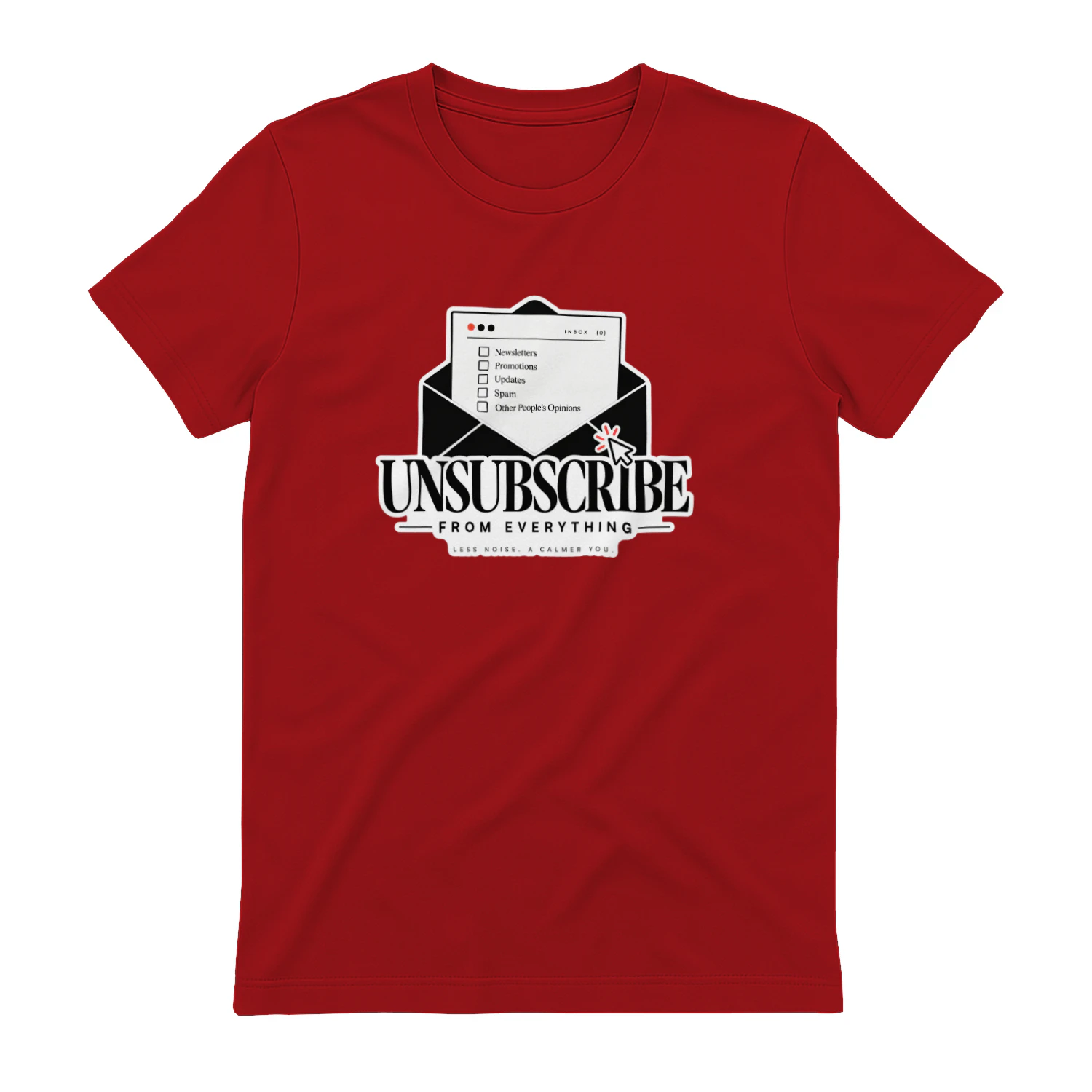
Unsubscribe From Everything
A crisp inbox-inspired design for anyone ready to turn down the volume on digital life. “Unsubscribe From Everything” is equal parts joke and aspiration, made for inbox-zero dreamers, notification haters, and anyone craving a little less noise.
Artlist
Music, footage and creative assets for video-first creators.