
What YouTube is changing
YouTube is updating the Shorts viewing experience with a cleaner interface, including a Clear Screen mode that temporarily hides icons and text from the playback view.
For viewers, that is a small usability feature. For creators, interface changes can alter what remains visible around the video and how much attention platform chrome competes for.
Why interface changes matter to creators
Short-form video is designed inside a crowded frame. Captions, usernames, engagement buttons, descriptions, and platform controls all compete with whatever the creator has placed on screen.
When YouTube changes that surrounding interface, the effective creative canvas changes too. A text placement that once avoided a button may suddenly feel oddly positioned when the controls disappear. A call to action that depends on pointing toward a visible interface element may make less sense.
The overlay and safe-area problem
Creators already need to design Shorts with safe areas in mind. Important text should stay away from edges, captions should not collide with controls, and the visual story should still work if part of the interface covers the frame.
Clear Screen mode adds another condition: the video should also look intentional when the platform chrome is gone. That argues for fewer decorative overlays and stronger composition inside the video itself.
What to test in existing Shorts
Review a handful of your best-performing Shorts with and without visible controls. Look for text that appears strangely placed, arrows that point at nothing, or calls to action that rely on interface elements.
Also test whether the cleaner view changes how much branding the video needs. If the creator name or context is hidden temporarily, the content may benefit from subtle internal branding that does not overwhelm the frame.
The bigger creator-economy context
YouTube is making these viewing changes while also evolving YPP and creator monetization. That matters because Shorts is no longer just a growth format. It is part of a broader business system that includes ads, Shopping, affiliate tagging, and channel eligibility.
Creators should treat interface changes like any other platform update: understand what changed, test the effect on real content, and adjust only when the data says the new behavior matters.
The best Shorts will still work because the video itself is clear, not because the creator perfectly optimized around a specific arrangement of buttons.
A cleaner viewer experience can change editing decisions
When a platform changes how Shorts are presented, creators should revisit assumptions that were built around the older interface. The opening seconds, on-screen information, pacing, caption placement, and calls to action all compete with whatever interface elements appear around the video. If YouTube reduces visual clutter, some creative choices that were designed to fight for space may no longer be necessary.
That does not mean every Short should immediately change. The useful approach is to test. Compare retention, rewatches, comments, and downstream actions on a small group of new uploads before changing a whole channel's editing style.
Creators should also look beyond views. A cleaner experience can be valuable if it makes the content easier to understand or makes the next action clearer, even when raw reach stays similar. That next action might be another video, a channel subscription, a product page, or a longer piece of content.
Short-form platforms reward fast iteration, which can make creators overreact to interface changes. A better system is to document what changed, create a small hypothesis, test it across several uploads, and then update the production template only if the data supports it.
The best production response is therefore gradual: update the template only after several Shorts show the same pattern. That keeps creators from rebuilding an editing system around one interface change that may not matter equally for every audience or content style.
Build Shorts so the idea survives interface changes
The safest creative principle is to make the core idea understandable even when buttons, captions, or interface elements move again. Strong framing, readable composition, and a clear first beat are more durable than editing around one temporary screen layout.
That also makes repurposing easier. A Short designed around the content rather than the chrome is more likely to adapt cleanly to another platform, a compilation, or a longer edit later.
Recommended next
Products & tools
One Mode Digital Media product and one relevant affiliate recommendation selected for this page.
The Robots Are Learning. So Am I.
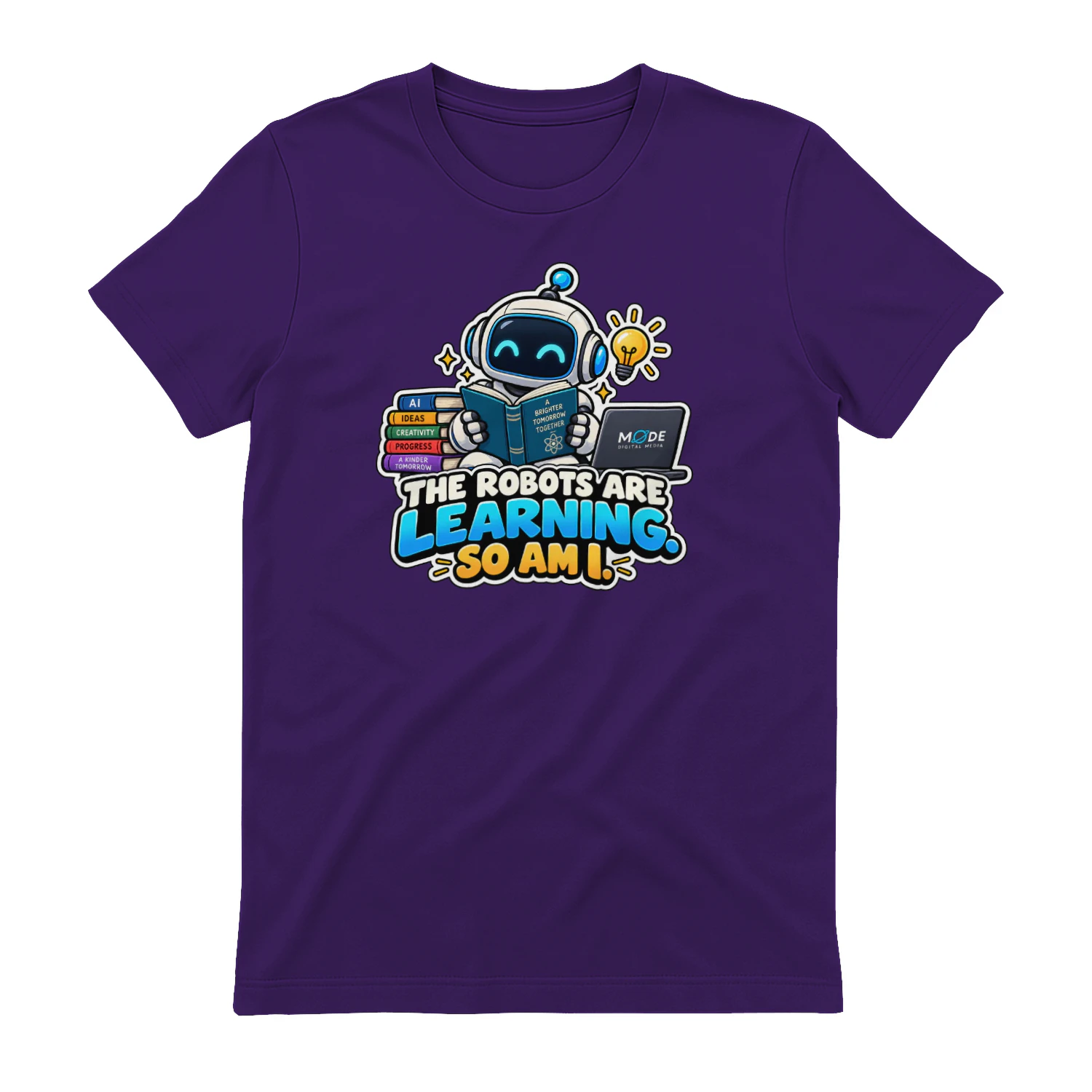
A friendly retro-futurist design with a simple message: “The Robots Are Learning. So Am I.” A curious robot, books, and creative-tech details make it a fun fit for AI fans, lifelong learners, developers, creators, and anyone figuring out the future as it arrives.
Artlist
Music, footage and creative assets for video-first creators.
Original source
Mode adds independent editorial context while preserving a clear path to the original source behind this story.
View original source ↗