
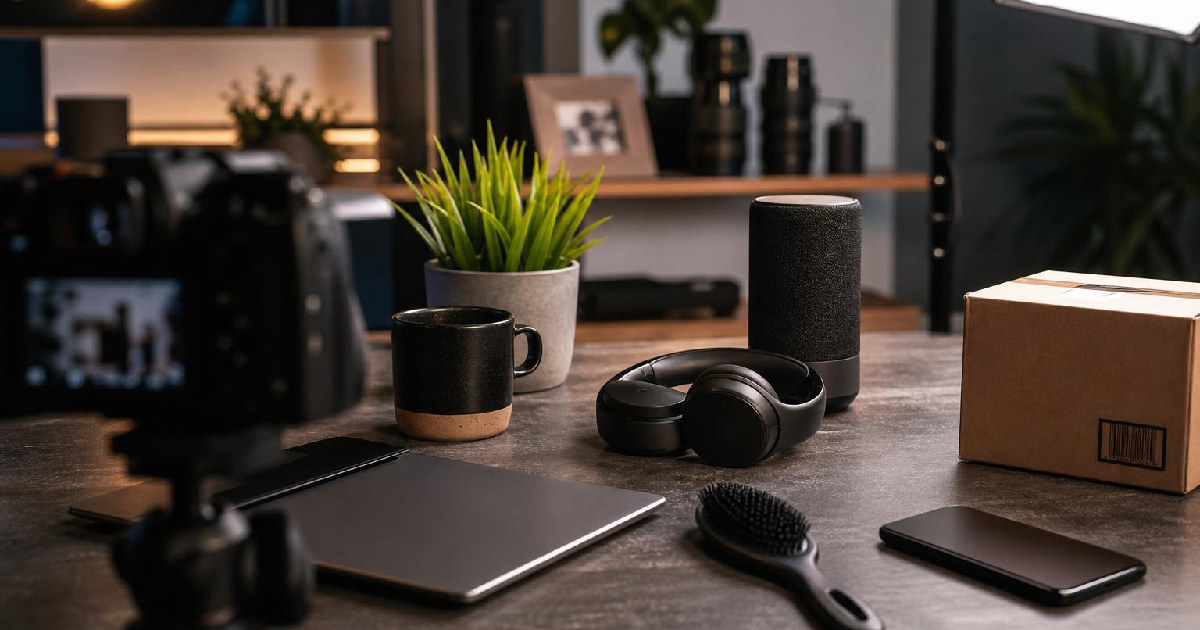
What YouTube actually added
YouTube has added Amazon to the YouTube Shopping Affiliate Program, giving eligible U.S. creators the ability to tag Amazon products directly in Shorts, long-form videos, and livestreams.
That sounds like a simple commerce integration, but it removes a meaningful amount of friction from a familiar creator workflow. Instead of telling viewers to leave the video, open a description, find the right link, and then search through a storefront, a relevant product can be attached much closer to the moment it appears in the content.
For creators who already make tutorials, reviews, studio tours, gear breakdowns, beauty content, home projects, or product-heavy videos, that can make affiliate monetization feel more native.
Why native tagging changes the affiliate workflow
Affiliate strategy usually has two competing goals: make the product easy to find and avoid making the content feel like one long sales pitch.
Native tags can help with the first goal because the viewer does not have to hunt for a link. But that makes editorial judgment more important, not less.
A creator can technically tag many products. That does not mean every visible object deserves a commerce link. The most useful tags are the products that genuinely matter to the video: the camera used in a tutorial, the microphone being compared, the tool required for a project, or the item a review is actually evaluating.
Where the feature fits best
This should be especially useful for creators whose content already answers purchase-intent questions. Gear reviews are obvious. Tutorials are another strong fit because the audience often wants to know exactly which tool, accessory, plugin, or piece of equipment made the workflow possible. Livestreams also create natural moments where viewers ask what a creator is using in real time.
Shorts may be more situational. A fast product demonstration can convert well, but tagging unrelated items just because the clip has reach could erode trust quickly.
The trust problem creators still have to solve
Native commerce does not remove the need for disclosure, taste, or honest recommendations. Creators still need to be clear when they may earn from a purchase. More importantly, viewers can usually tell when a recommendation exists only because a commission is available.
The strongest long-term strategy is still selective. Recommend products you would mention without the affiliate link. Explain limitations. Give alternatives. Tell people when the cheaper option is enough.
How to test it without turning every video into a storefront
Start with a small group of videos that already have obvious product intent. Measure click-through, conversion, viewer comments, and whether product tagging changes retention or engagement. Compare videos with one or two highly relevant tags against videos with a broader product list.
The useful lesson will probably be that fewer, better tags outperform a crowded shelf. YouTube continues to expand the business side of being a creator. The opportunity here is not simply more affiliate links. It is a cleaner connection between useful content and a product the viewer was already likely to ask about.
Treat product tagging like editorial inventory
Creators can also borrow a useful idea from advertising: every commercial placement has a cost even when no money changes hands. A product tag uses viewer attention. If too many tags compete with the content, the channel can feel less useful even if each individual product is technically relevant.
That makes selection part of the editorial job. A tutorial may need one core tool and one accessory. A studio tour may justify a larger group because viewers are specifically interested in the setup. A general entertainment video may need no tagged products at all. The right number depends on why the viewer clicked.
Creators should also keep a simple record of which tagged products actually generate useful engagement. If one item receives clicks but almost no purchases, the audience may be curious rather than ready to buy. If a less obvious product consistently converts, it may deserve a clearer explanation in future coverage.
The strongest affiliate system is one where the commerce layer follows the content rather than steering it. YouTube's Amazon integration reduces friction, but the creator still decides whether a product recommendation earns the viewer's attention.
Recommended next
Products & tools
One Mode Digital Media product and one relevant affiliate recommendation selected for this page.
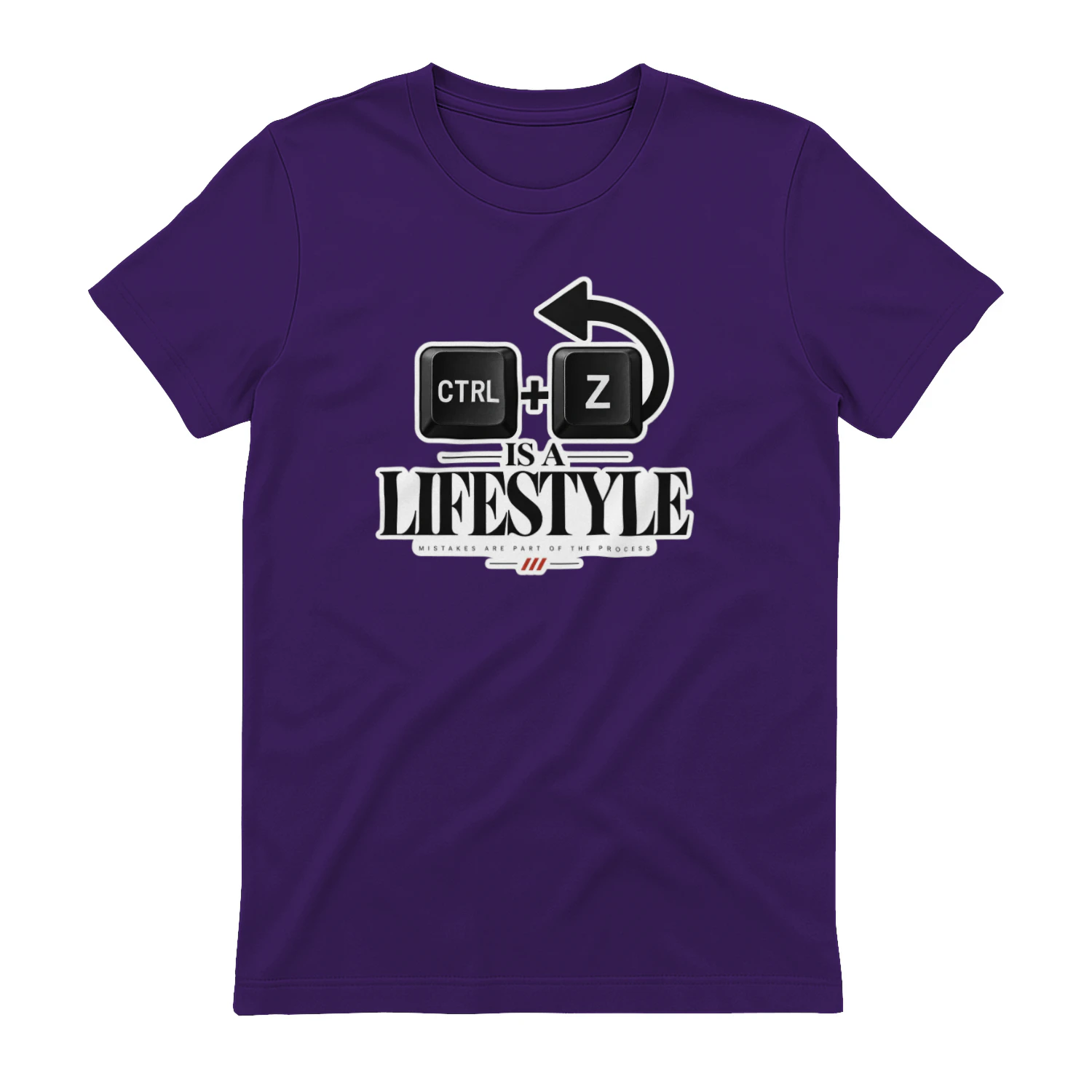
Ctrl + Z Is a Lifestyle
A clean keyboard-shortcut design celebrating the most comforting command in the digital world. “Ctrl + Z Is a Lifestyle” is made for designers, developers, editors, creators, and anyone who believes every mistake deserves at least one undo.
Cerri
Project and work-management software for teams that need clearer planning, ownership and delivery workflows.
Original source
Mode adds independent editorial context while preserving a clear path to the original source behind this story.
View original source ↗