
Why this YPP update matters
YouTube is changing the Partner Program again, and creators should treat this as more than a policy-page update. The platform says these are the first significant YPP changes since 2018 and frames them around rewarding active creators while expanding earning opportunities.
That means channel owners should pay attention not only to whether they are monetized today, but to which activity actually counts toward continued growth and eligibility.
Qualified watch activity is becoming more explicit
YouTube has separately clarified what qualifies toward monetization thresholds. Public long-form videos and archived livestreams can contribute qualified watch hours. Private, unlisted, deleted, ad-driven, and Shorts watch hours do not.
For Shorts, YouTube says qualified views must be engaged views on public Shorts. Loops and views from private, unlisted, deleted, or ad-driven Shorts do not count the same way.
That distinction matters because headline view counts are not always the same thing as monetization progress.
What creators should audit now
Creators should review which formats are actually producing qualified watch activity, not just reach. A channel with strong public long-form performance may be in a very different position from one relying on paid promotion or unlisted content.
Shorts creators should also understand the engaged-view definition and compare it with the top-line view metric they may be used to discussing.
Why inactive channels may feel the changes more
YouTube’s language around active creators suggests the platform wants YPP to reward people who are still participating, not simply preserve monetization forever because a channel qualified years ago.
Creators with dormant channels should watch the rollout carefully and make sure they understand any future activity requirements before assuming old monetization status will remain untouched.
The monetization strategy behind the update
YouTube continues to add commerce, shopping, subscriptions, advertising, and other creator-revenue layers. The YPP changes fit that broader direction: monetization is becoming a more active system tied to current content and platform participation.
For creators, the practical move is simple: keep clean records of what formats drive qualified watch activity, diversify revenue beyond ads, and do not confuse raw reach with monetization health.
Monetization changes should trigger a channel audit, not panic
Whenever YouTube changes Partner Program rules or monetization guidance, creators should audit the channel against the current requirements before changing the content strategy. The useful questions are practical: which revenue features the channel actually uses, whether the content format still qualifies, whether disclosures and rights documentation are current, and whether any workflow depends on an assumption that has changed.
Creators should also separate platform eligibility from business health. A channel can remain fully compliant and still be too dependent on one revenue stream. Ads, Shopping, memberships, sponsorships, affiliate links, products, and email can each behave differently when reach or policy changes. Diversification is not about adding every monetization feature. It is about making sure one platform decision cannot turn off the entire business.
A simple quarterly review can cover ownership of music and footage, reused material, product tagging, disclosures, account security, and the performance of each revenue source. That creates a record of what the channel relies on and makes future changes easier to evaluate.
The best response to a Partner Program update is usually measured: verify the rule, identify what actually applies to the channel, fix the specific gap, and keep publishing useful work.
Build monetization around audience trust, not program access
Program eligibility is permission to use a revenue feature, not proof that the feature belongs in every video. Creators should still ask whether a membership pitch, product tag, sponsor segment, or affiliate recommendation improves the viewer's experience or interrupts it.
That distinction becomes more important as YouTube adds more ways to earn. A channel can technically activate several monetization options while using only the ones that fit the content naturally. Trust compounds just like revenue does, and it is much harder to rebuild after viewers start treating every recommendation as a sales tactic.
Creators should keep that audit simple enough to repeat. A short checklist reviewed every few months is more useful than a complicated compliance document that nobody updates after it is created.
A calm audit-and-adjust routine is a much stronger response than rebuilding a channel around every policy headline.
Recommended next
Products & tools
One Mode Digital Media product and one relevant affiliate recommendation selected for this page.
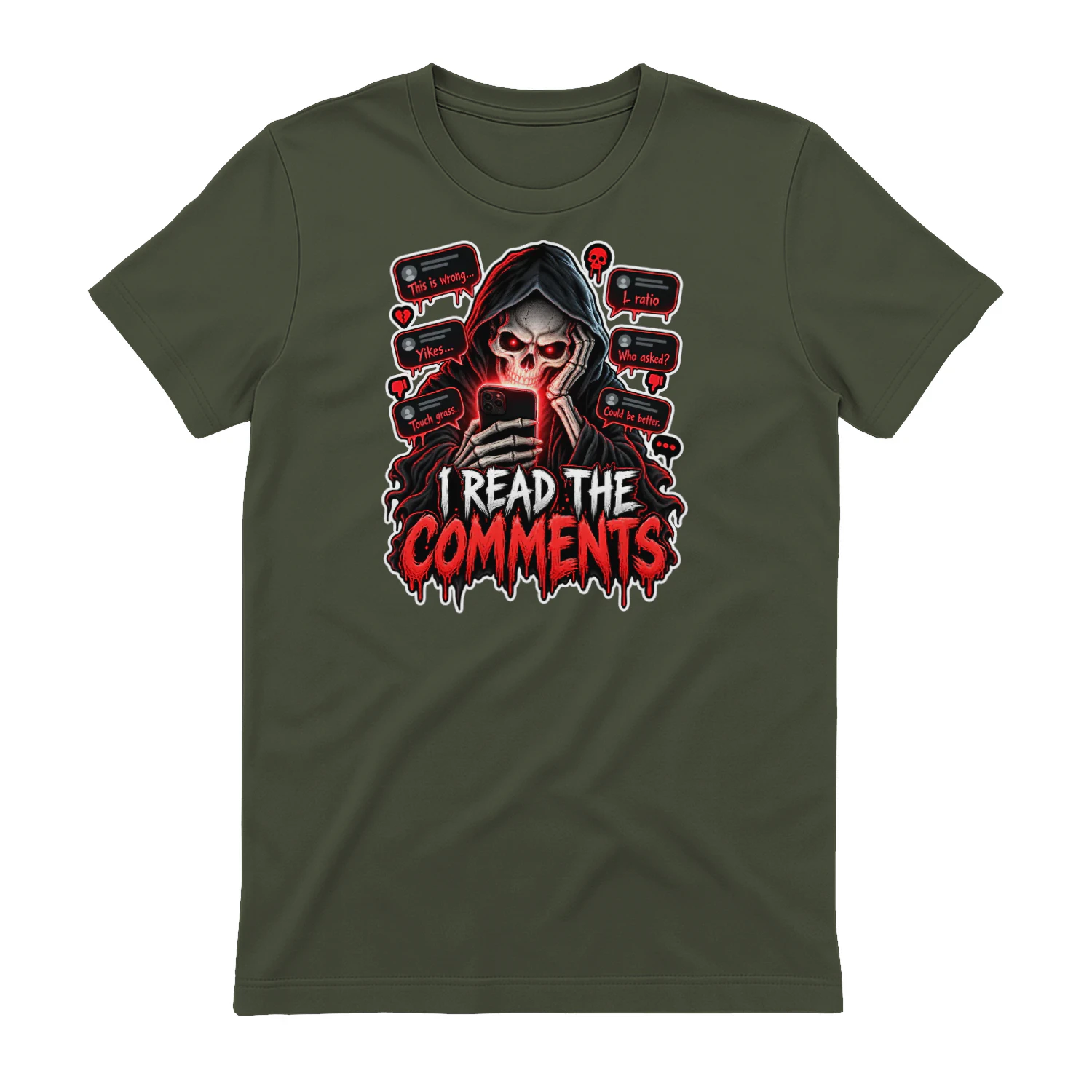
I Read The Comments
A darkly funny internet-culture design for anyone brave enough to scroll all the way into the comments section. Horror-inspired artwork turns online reactions into the real monster, making it a fun pick for creators, social-media veterans, and people who know better but look anyway.
Artlist
Music, footage and creative assets for video-first creators.
Original source
Mode adds independent editorial context while preserving a clear path to the original source behind this story.
View original source ↗