
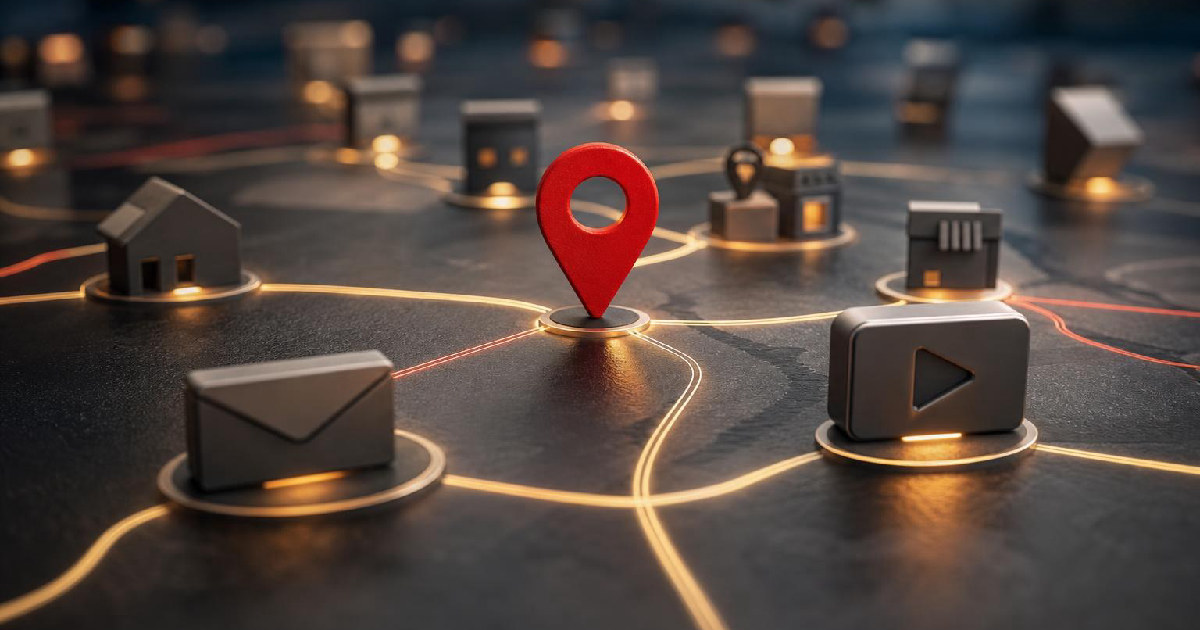
The shift: from attention to a faster next step
Google’s September 24, 2026 Demand Gen update is built around a simple advertiser problem: once someone is paying attention on YouTube or another visual surface, how quickly can that interest turn into an action? Google says the new release is meant to help advertisers engage and convert audiences across YouTube and Google’s visual channels, with more seamless experiences and integrations during the holiday season. Google Ads & Commerce Blog
That framing matters because the update is not a single feature launch. It is a set of smaller conversion shortcuts placed at different points in the discovery journey. Some are meant to reduce friction after an ad is seen. Others are meant to keep the shopper or viewer in context while they ask questions or look for nearby options. For teams planning seasonal spend, the update is less about novelty than about matching the right tool to the right kind of intent.
One-click landing pages make the handoff simpler
The most straightforward change is one-click access to a landing page from image ads on YouTube Shorts and Gmail. On Shorts, Google says this one-click experience applies when advertisers upload 9:16 full-bleed image ads. On Gmail, the same update simplifies the ad experience on a channel Google describes as already delivering strong performance. Google Ads & Commerce Blog
That is useful for advertisers who care about shortening the distance between discovery and site visit. On Shorts, the format requirement is specific, so creative teams need to plan around 9:16 full-bleed image assets rather than treating it as a generic image placement. For Gmail, the advantage is less about a new creative spec and more about removing one more step that can interrupt action.
Google also says advertisers adding Gmail to Demand Gen campaigns saw image creatives achieve a 40% increase in conversions at the same ROI, based on Google internal data from February 2026. Google Ads & Commerce Blog The claim is narrow but important: the lift is tied to image creatives in Demand Gen campaigns and the same ROI. In practical terms, that suggests Gmail may be worth testing not because it promises cheaper traffic, but because it may improve conversion volume without forcing a tradeoff in efficiency.
Conversational AI in YouTube ads changes the middle of the funnel
Google’s Business Agent for YouTube Ads takes a different approach. Instead of pushing people immediately to a landing page, it lets viewers engage with conversational AI alongside video ads using product feeds. Google says the agent gives immediate answers about products or brands without leaving the viewing context. Google Ads & Commerce Blog
That matters for categories where interest tends to trigger questions before clicks. Product details, brand comparisons, sizing, compatibility, availability, and similar concerns can slow action if the only path is to leave the video and search elsewhere. A conversational layer inside the ad environment keeps the viewer closer to the moment when intent is forming.
For marketers, the practical takeaway is that this is not just another interaction style. It changes what “conversion” can look like in a video setting. Instead of assuming the ad’s job ends with a click, teams may need to think about the questions a product feed can answer and how that information is structured. The feature also suggests a useful split in creative planning: some campaigns should prioritize a direct site visit, while others may benefit from a question-and-answer step before the visit happens.
Local demand gets a clearer path in Maps
The update also brings Affiliate Location Extensions to Google Maps, where retail networks and dealerships can use promoted pins as people browse, search, and navigate. Google Ads & Commerce Blog
This is the most location-specific part of the release, and it serves a different decision than the YouTube or Gmail features. Instead of capturing broad discovery or answering product questions, it aims to surface nearby inventory or store options at the moment someone is already navigating a local choice.
The wording matters here: Google describes the placements as promoted pins, and the audience as retail networks and dealerships. That points to an extension designed for multi-location businesses and local demand capture rather than a universal feature for every advertiser. For teams with store networks, the strongest use case is likely when visual discovery and local availability need to meet in the same workflow.
How advertisers can think about the mix
Taken together, the update looks less like a single campaign strategy and more like a toolbox for different kinds of intent. One-click landing page experiences are about reducing friction after the ad is seen. Business Agent for YouTube Ads is about keeping people inside a conversational product layer while they decide. Affiliate Location Extensions in Google Maps are about turning browsing and navigation into local visits or inquiries. Google Ads & Commerce Blog
That separation is useful because it suggests how to test the update without overcommitting to any one surface. A brand with strong product content might start by matching Shorts and Gmail assets to the fastest path to landing pages. A brand with complex products could put more emphasis on the YouTube conversational layer, where answers may come before the click. A retailer or dealership network may care most about Maps, where location intent is already present.
The common thread is not that every channel should do the same job. It is that Google is trying to make each surface better at the stage where it already has an advantage. Shorts and Gmail are being optimized for immediate click-through. YouTube is being shaped for guided discovery. Maps is being tuned for local action. The campaign choice, then, is less about adopting every feature and more about deciding which intent you want to meet first.
What to watch before adopting the update broadly
The September release gives advertisers several ways to narrow the gap between discovery and action, but each one carries its own operational requirement. Shorts needs the right 9:16 full-bleed image asset. Gmail’s reported conversion lift is tied to image creatives inside Demand Gen campaigns. Business Agent depends on product feeds and a use case that benefits from real-time answers. Maps extensions fit best where local inventory or locations are part of the decision.
That means the smartest next step is probably not a blanket rollout. It is a structured test plan that matches feature to funnel role. If the goal is speed, the one-click paths are the clearest starting point. If the goal is helping people resolve questions before they leave the ad, the YouTube conversational layer is the more distinctive option. If the goal is local demand, Maps deserves separate treatment.
In a season when many advertisers are trying to do more with the same budget, this update is notable because it does not ask for a new theory of marketing. It asks for better alignment between intent and format, with fewer steps between the moment of interest and the next useful action. Google Ads & Commerce Blog
Recommended next
Products & tools
One Mode Digital Media product and one relevant affiliate recommendation selected for this page.
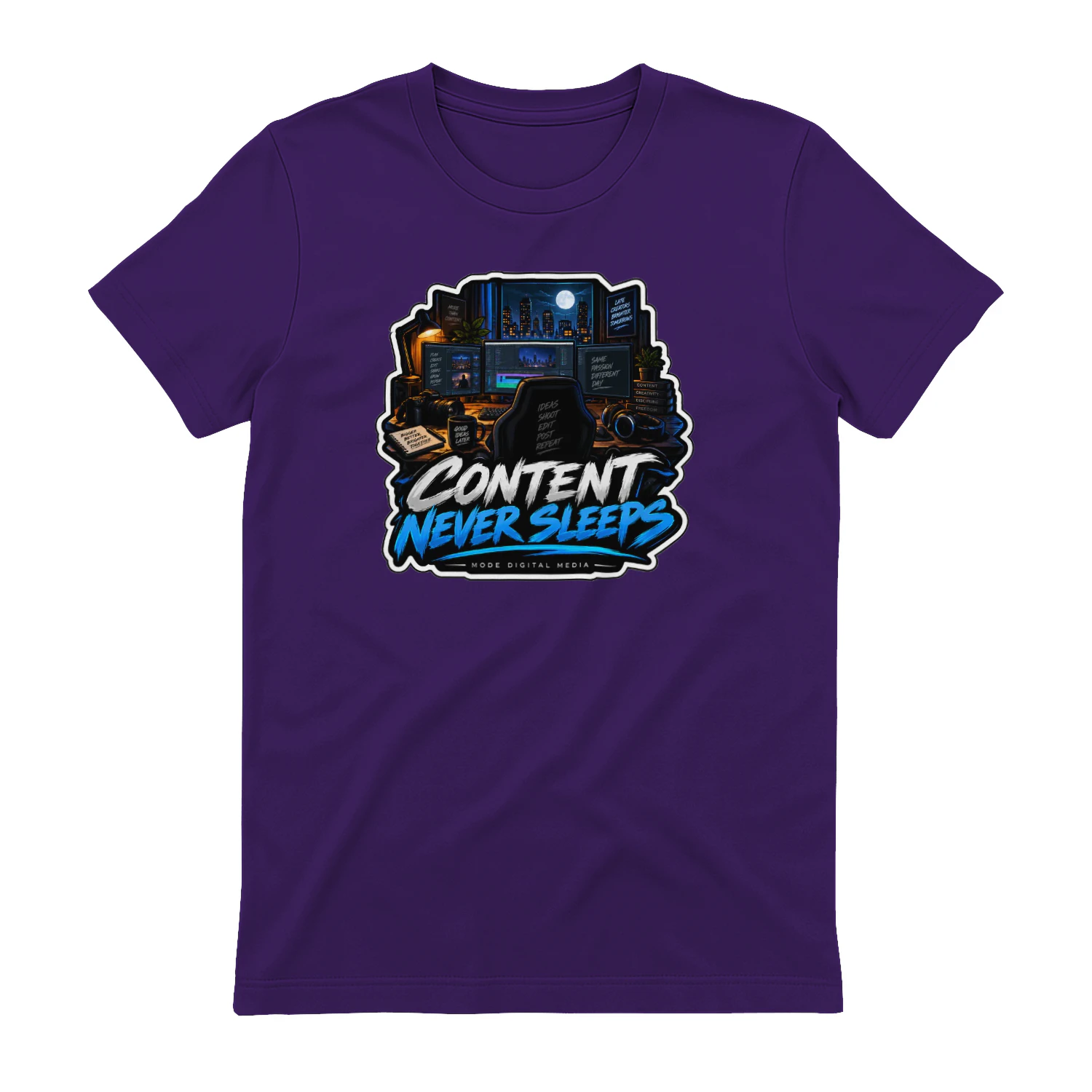
Content Never Sleeps
A late-night creator design inspired by glowing monitors, editing timelines, camera gear, and the work that keeps going after everyone else logs off. “Content Never Sleeps” is made for creators, editors, streamers, marketers, and anyone who has finished a project long after midnight.
Envato Elements
Templates, graphics, video, audio and design assets in one subscription.
Original source
Mode adds independent editorial context while preserving a clear path to the original source behind this story.
View original source ↗