

The problem is no longer creating an agent
Most marketing teams can already create an AI assistant. The harder problem is what happens when there are ten of them.
HubSpot’s Agent Hub and Agent Builder are aimed at that next stage: one place to build, manage, and coordinate agents that share business context instead of behaving like isolated chatbots.
That is a more important direction than simply adding another agent template.
Why shared context matters
An agent becomes more useful when it understands the same customer records, goals, definitions, and business history as the rest of the stack. Without shared context, teams repeatedly explain the brand, audience, funnel stage, ownership rules, and data sources to every new automation.
Shared context can make an agent more consistent, but it also raises governance questions. If every agent sees the same data, permissions and data quality matter more.
What Agent Hub changes
HubSpot is treating agents as managed software rather than disposable prompts. A central hub gives teams a place to see what agents exist, what they are allowed to do, and how they connect to the surrounding CRM and marketing workflows.
That should make it easier to reuse successful patterns instead of rebuilding similar agents across departments.
Where Agent CLI fits
HubSpot’s Agent CLI pushes the same idea toward more technical users and workflows. The company’s customer examples show agents being used closer to development and operational tasks, which suggests the boundary between marketing automation and general business automation is getting thinner.
For small teams, that can be powerful because the same context layer can support both customer-facing and internal work.
What teams should standardize before scaling agents
Before building dozens of agents, define the basics: which data is authoritative, which actions require approval, who owns each workflow, what should be logged, and how an agent is retired when the process changes.
The most valuable part of an agent platform may end up being management, not generation. HubSpot’s direction reflects a broader shift: AI tools are moving from individual helpers into shared infrastructure, and infrastructure needs rules.
Agents need the same governance as any other marketing system
A managed hub can make AI agents easier to deploy, but centralization should also make them easier to audit. Each agent should have a narrow purpose, a clear owner, defined data access, and a record of the actions it can take without approval.
That is especially important in marketing because the systems agents touch are connected. A CRM update can change segmentation. Segmentation can trigger email. Email can create a sales task. A poorly scoped agent may cause several downstream actions even when the original mistake looks small.
Teams can reduce that risk by starting agents in observation or draft mode. Let the system identify records, summarize conversations, prepare campaign ideas, or suggest next actions before granting write access. Review the recommendations, document recurring errors, and expand permissions only when the behavior is predictable.
The value of Agent Hub is therefore not just having more AI tools in one place. A centralized system can give teams one place to manage identity, permissions, monitoring, and handoffs. If those controls are clear, agents can remove repetitive work without making the marketing stack harder to understand.
Measure the handoff between agents
The most important test in a multi-agent marketing system may be what happens between agents rather than inside each one. A research agent can produce a useful summary and still create problems if the next agent interprets the result differently or acts on incomplete context.
Teams should identify those handoff points explicitly. Define what information must be present, which fields are authoritative, and what conditions require human review before the next step begins. That makes the workflow easier to debug and prevents one uncertain output from being amplified by several automated actions.
A shared hub can help because the team can observe those transitions in one place. The goal is not maximum autonomy. It is a system where each automated step has a clear input, a clear output, and an owner who can understand what happened when the result is wrong.
The system becomes useful when the team can explain every handoff, permission, and exception without guessing.
Recommended next
Products & tools
One Mode Digital Media product and one relevant affiliate recommendation selected for this page.
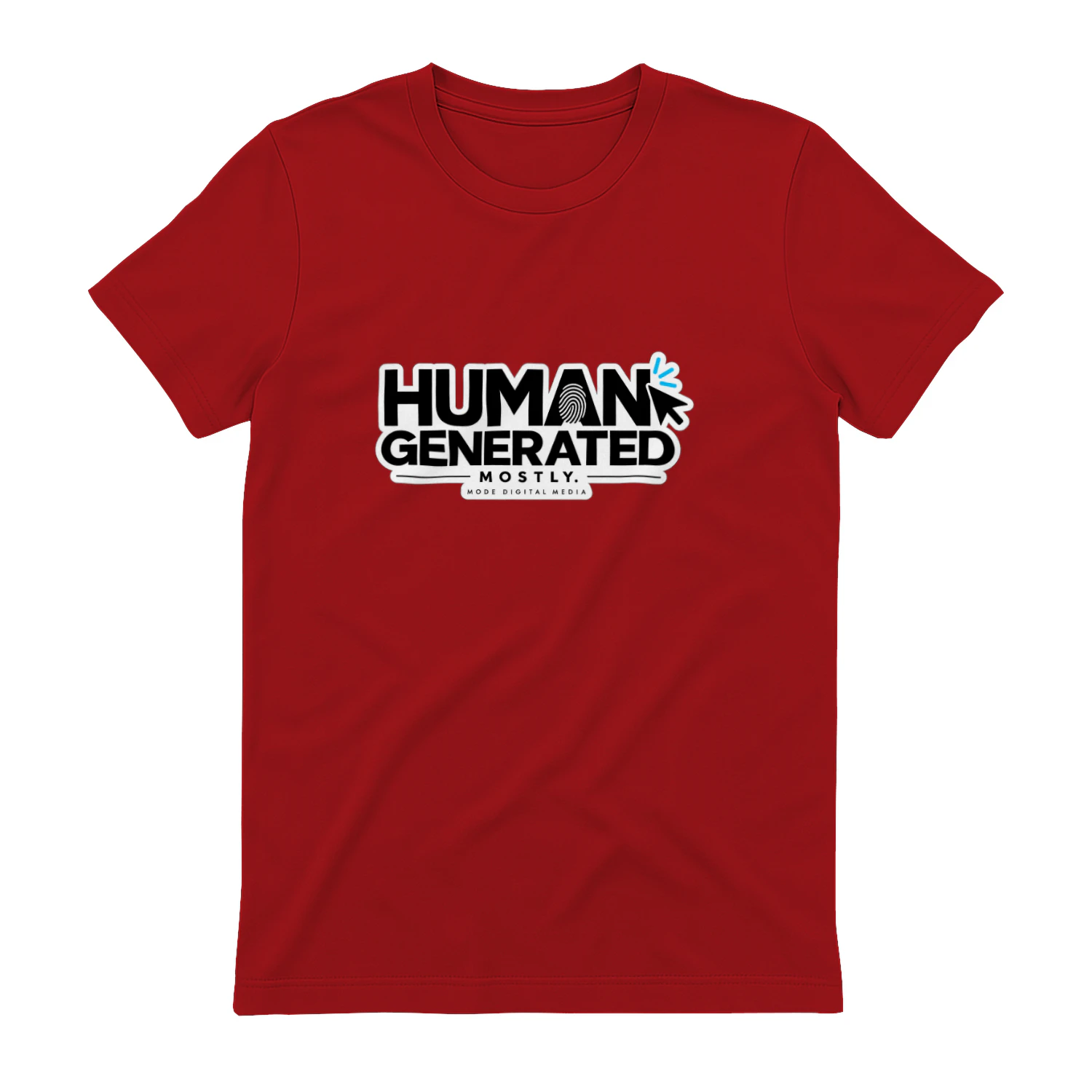
Human Generated. Mostly.
A stripped-down AI-era statement with just enough ambiguity to make the joke land: “Human Generated. Mostly.” It’s a clean piece for creators, writers, designers, developers, and anyone whose workflow now includes a little help from the machines.
Tidio
Live chat, helpdesk and AI-assisted customer-support tools for websites and growing online businesses.
Original source
Mode adds independent editorial context while preserving a clear path to the original source behind this story.
View original source ↗