
Originality is becoming a platform signal
Creators have always been told to make original work. Facebook is making that advice more operational. Meta says the platform is rewarding original creators with stronger reach and monetization while deprioritizing unoriginal content and copycat behavior.
That turns originality into more than a brand-building principle. It becomes part of distribution.
What Meta says it is rewarding
Facebook’s updated guidance focuses on content where the creator adds meaningful original value. That can include footage they created, commentary that changes the context, or a format that clearly reflects the creator’s own work and perspective.
The important distinction is contribution. Simply being the account that uploads the file does not make the content original.
What counts as low-value copying
Meta’s direction is aimed at pages and accounts that repost, lightly edit, or recycle someone else’s content without meaningful transformation. Those tactics may produce short-term volume, but the platform is signaling that they can reduce recommendation and monetization potential.
That matters for reaction, compilation, clip, and news-style creators because attribution alone is not the same as original value.
Why repurposing still needs transformation
Creators should not read this as a ban on repurposing. A podcast clip, tutorial excerpt, or source video can still become a valuable new piece when the creator adds analysis, explanation, editing, context, or a different narrative purpose.
The safest question is simple: if the original source disappeared, would the new post still contain a meaningful contribution from you?
How creators should adjust their workflow
Build more original capture and commentary into the process. Keep source attribution clear. Avoid relying on tiny visual changes as proof of transformation. And track which formats are actually receiving recommendation and monetization support over time.
Meta’s Creator Assistant may eventually make those signals easier to interpret, but creators should not wait for an AI dashboard to tell them the obvious. Platforms increasingly want content that feels native to the creator, not merely uploaded by them.
For Mode, that is also the right editorial standard: source material can inspire or anchor a feature, but the published piece should add context and value that the source did not provide on its own.
Original-content rules should change the production checklist
Creators who publish across several platforms should treat Meta's stronger emphasis on original work as a workflow issue, not simply a policy headline. Repurposing is still part of an efficient creator business, but the version posted to Facebook should have a reason to exist there. That can mean a different edit, added context, a stronger opening, platform-specific commentary, or a format designed around the audience using Facebook.
A practical content checklist can help distinguish repurposing from low-value duplication. Ask what the creator added, whether the viewer can identify the original perspective, and whether the post would still be useful if the source material disappeared. Those questions are more durable than trying to guess every signal an algorithm may use.
The monetization side matters too. When a platform ties distribution and earning opportunities more closely to originality, creators have a stronger incentive to document ownership and keep clean source files. That is useful for disputes, licensing, collaborations, and future reuse even outside Facebook.
The broader lesson is that content networks are rewarding identifiable creator value. Efficient production should still reuse research, footage, and ideas, but the final post needs to feel authored rather than mechanically redistributed.
Protect the original-production trail
A stronger originality system also makes source organization more valuable. Keep project files, original recordings, raw exports, publication dates, and collaboration notes in a predictable place. That record helps a creator prove authorship if content is copied, resolve disputes with collaborators, and repurpose work later without searching through scattered drives.
The production trail does not need to be complicated. A consistent folder structure and clear filenames can be enough. The important part is that the creator can connect the published post back to the underlying work.
That same production trail also makes future licensing easier. If another brand, publisher, or collaborator wants to reuse a piece, the creator can quickly identify what they own, what was licensed, and which files belong to the final work.
Recommended next
Products & tools
One Mode Digital Media product and one relevant affiliate recommendation selected for this page.
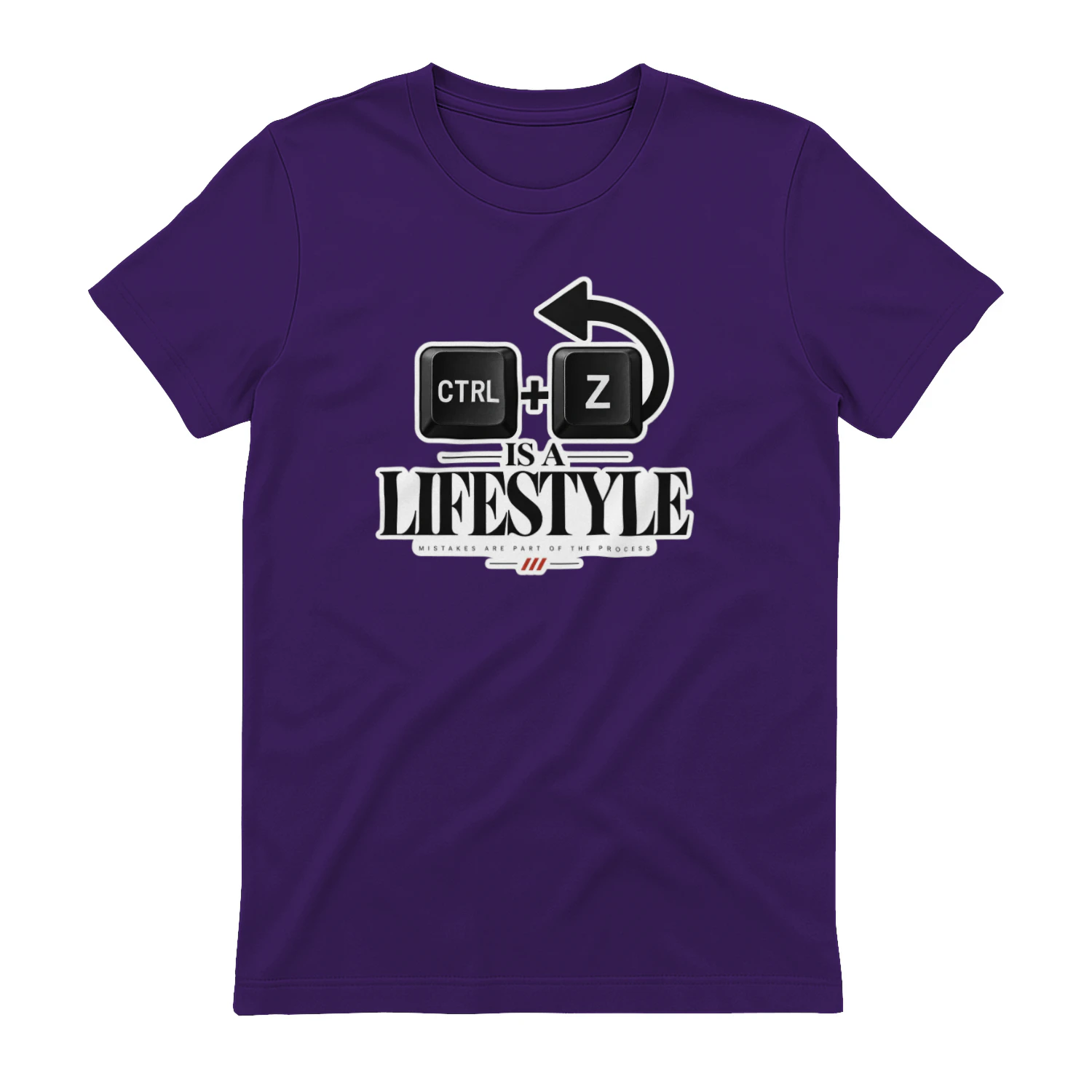
Ctrl + Z Is a Lifestyle
A clean keyboard-shortcut design celebrating the most comforting command in the digital world. “Ctrl + Z Is a Lifestyle” is made for designers, developers, editors, creators, and anyone who believes every mistake deserves at least one undo.
Artlist
Music, footage and creative assets for video-first creators.
Original source
Mode adds independent editorial context while preserving a clear path to the original source behind this story.
View original source ↗